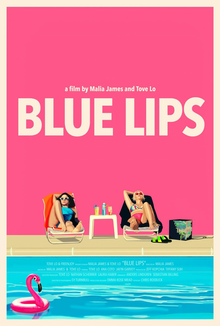
Tove Lo's Blue Lips: A Cinematic Journey Through Friendship and Heartbreak
In an era where artists constantly seek innovative ways to connect with their audience, Swedish sensation Tove Lo emerged with a profoundly personal and visually stunning companion piece to her album "Blue Lips." Far more than a mere collection of music videos,
Blue Lips: The Film is a potent narrative exploration of female friendship, heartbreak, and the vibrant chaos of navigating young adulthood. Co-written with director Malia James, this short film elevates Tove Lo from merely a singer to a compelling storyteller, cementing her place among artists who masterfully blend auditory and visual artistry. It's a prime example of how a singer short film can deepen the emotional resonance of an album, offering fans a more immersive experience.
Released as a visual accompaniment to her acclaimed "Blue Lips" album, the film stars Tove Lo herself as Ebba, alongside Ana Coto, who delivers a captivating performance as her best friend, Kit. The 30-minute cinematic journey plunges viewers into an intense, adventurous few nights following a devastating romantic setback for Kit. As the duo navigates bustling clubs, intimate moments of preparation, and encounters with new lovers, Tove Lo's distinctive music soundtracks every beat of their exhilarating and often poignant escapades. It's a raw, unfiltered look at the messy, beautiful complexities of platonic love and personal growth in the face of emotional turmoil.
The Narrative Heart: Friendship, Heartbreak, and Resilience
The core of
Blue Lips: The Film pulsates with the unyielding strength of female friendship. At its outset, Kit, portrayed with raw vulnerability by Ana Coto, is shattered after learning her love interest has returned to an ex-girlfriend. This pivotal heartbreak sets the stage for a period of catharsis and chaotic self-discovery. Rather than succumbing to despair, Kit, with Ebba (Tove Lo) steadfastly by her side, embarks on a journey of emotional processing through hedonism and shared experiences. This isn't just about escaping pain; it's about confronting it, transforming it, and ultimately finding solace and renewed strength within the bond of friendship.
The film meticulously captures the nuances of this dynamic:
- Unconditional Support: Ebba's unwavering presence provides a bedrock for Kit's emotional volatility, demonstrating the quiet power of simply being there.
- Shared Experiences: From intimate dressing room conversations to boisterous club nights, their adventures become a collective healing process, reinforcing their bond.
- Vulnerability and Strength: The film doesn't shy away from depicting moments of raw sadness alongside bursts of fierce independence, showcasing the multifaceted nature of resilience.
Through these shared moments, the audience witnesses the transformative power of friendship – how it can mend wounds, offer perspective, and provide the courage to move forward. It’s a powerful testament to the idea that sometimes, the best remedy for a broken heart isn't a new romance, but the reaffirmation of existing, deep-rooted connections. For more details on the narrative depth, explore
Behind Tove Lo's Blue Lips: The Album-Spanning Short Film.
A Visual Companion: Weaving Music into Storytelling
Tove Lo's genius in
Blue Lips: The Film lies in her seamless integration of music and narrative. The tracks from the "Blue Lips" album aren't merely background noise; they are active participants in the storytelling, enhancing emotional beats and providing insight into the characters' inner worlds. Each song is carefully chosen to underscore the mood, progress the plot, or amplify the unspoken feelings of Ebba and Kit. This creates a deeply immersive experience where the visuals illuminate the lyrics, and the music lends profound emotional weight to the scenes.
"Blue Lips" itself was designed as a companion album to Tove Lo’s 2016 release, "Lady Wood," collectively forming a four-chapter saga. Tove Lo articulated in 2016 that the entire project was "about different kinds of rushes in life," a theme beautifully translated into the film's fast-paced, emotionally charged sequences. "Blue Lips" specifically wraps up this overarching narrative, offering a conclusive look at the exhilarating highs and devastating lows that define these "rushes." The film perfectly encapsulates this concept, showing how heartbreak can be a rush of its own, leading to unexpected adventures and self-discoveries.
The tracklist becomes a character in itself, guiding the audience through the emotional landscape:
- Setting the Tone: Upbeat tracks drive the adrenaline of club nights and carefree moments.
- Reflecting Inner Turmoil: More melancholic or introspective songs highlight moments of vulnerability and reflection.
- Propelling the Plot: Certain songs might mark a transition or a significant turning point in the characters' journey.
This synergy between audio and visual is what elevates
Blue Lips: The Film beyond a typical music video compilation, positioning it as a cohesive cinematic work. It’s a masterclass in how a singer short film can transcend promotional material to become an artistic statement in its own right.
The Creative Minds Behind "Blue Lips": Tove Lo and Malia James
The success of
Blue Lips: The Film is a testament to the collaborative vision of Tove Lo and director Malia James. Their co-writing credit highlights a shared understanding of the narrative's emotional depth and stylistic approach. Tove Lo, known for her candid lyrics and unfiltered persona, brings an authentic vulnerability to her role as Ebba, making her character relatable and real. Her performance is not just an extension of her musical artistry but a genuine embodiment of the themes she explores in her songs.
Malia James's direction skillfully captures the frenetic energy and intimate moments of the story. Her visual style likely complements Tove Lo's raw aesthetic, utilizing dynamic camera work, evocative lighting, and compelling editing to create a sensory experience that mirrors the "rushes" of life Tove Lo so often sings about. Their collaboration resulted in a film that feels both spontaneous and meticulously crafted, a delicate balance crucial for conveying the complexities of friendship and heartbreak. This joint effort is a fantastic illustration of how artists can expand their creative horizons, with
Tove Lo Co-Writes Blue Lips Short Film, Concluding Saga detailing more on the creative process.
Beyond the film, Tove Lo continued to engage her audience with other notable releases, including her Major Lazer collaboration "Blow That Smoke," which dropped just prior to the film's release. Earlier in the year, the "Blue Lips" track "Bitches" received a star-studded remix, featuring artists like Charli XCX, Icona Pop, Alma, and Elliphant, further demonstrating her collaborative spirit and wide appeal within the music industry. These additional projects reinforce Tove Lo's status as a dynamic and influential artist who continually pushes creative boundaries.
The Broader Impact of The Singer Short Film Trend
Tove Lo's "Blue Lips" film stands as a significant contribution to the growing trend of artists releasing extended visual projects alongside their albums. This "singer short film" format offers several advantages:
- Deepened Engagement: It allows fans to immerse themselves more fully in the album's themes and narratives, moving beyond individual music videos to a cohesive story.
- Artistic Expression: It provides a broader canvas for artists to explore cinematic storytelling, acting, and directorial visions, expanding their creative repertoire.
- Enhanced Album Longevity: A compelling visual narrative can give an album new life, encouraging repeated listens and discussions about the interconnectedness of music and film.
- Branding and Identity: These films often reinforce an artist's unique brand, style, and thematic concerns, solidifying their artistic identity in the public eye.
Artists like Beyoncé with "Lemonade" or Janelle Monáe with "Dirty Computer" have paved the way, demonstrating the profound impact a visual album or short film can have. Tove Lo's "Blue Lips" adds to this rich tapestry, showcasing how pop music can intersect with thoughtful, indie-film aesthetics to tell universal stories. It's not just about selling records; it's about creating a comprehensive artistic statement that resonates on multiple levels.
For aspiring artists considering a similar path, Tove Lo's project offers valuable lessons: authenticity is key, collaboration can elevate a vision, and a strong narrative (even a simple one) can transform a collection of songs into a compelling journey.
Conclusion
Tove Lo's
Blue Lips: The Film is more than just a musical accompaniment; it's a testament to the enduring power of female friendship, the catharsis found in shared heartbreak, and the vibrant tapestry of youth. Through the compelling performances of Tove Lo as Ebba and Ana Coto as Kit, directed with keen insight by Malia James, the film takes viewers on an exhilarating and emotionally charged ride. It encapsulates the "rushes of life" that define the "Lady Wood" saga, concluding it with a raw, honest portrayal of vulnerability and resilience. This powerful singer short film not only amplifies the narrative of the "Blue Lips" album but also solidifies Tove Lo's reputation as a visionary artist who fearlessly blends music with immersive visual storytelling. It's a must-watch for anyone who appreciates the deep connections forged in friendship and the messy, beautiful journey of healing.